

Turning Stress into Success: A Student’s Guide to Thriving Under Pressure.
Ahmed Saadi (PhD, MBA, CEng)
26.02.2024

As a new semester begins, many students find themselves feeling stressed. This can be due to several reasons. Some might feel overwhelmed by the workload in this final semester, while others might have to resit exams they did not pass previously. Additionally, balancing other responsibilities with studies can increase stress levels.
Another stress factor is what’s known as second-hand stress: we naturally pick up on others’ emotions, which can make us anxious. This is particularly true in environments like classrooms where many non-verbal cues and conversations are visible and audible. The symptoms of stress are universal, you might recognise the signs: a racing heart, short breaths, perhaps a red face or tense shoulders. You feel ready for action but not for calm, thoughtful work.
If you are experiencing this, remember, you are not alone. Everyone faces stress, whether from studying, working or other life situations. However, every day, we can choose how to view our stress. Research has shown that our attitude towards stress greatly influences its impact on us. Instead of seeing ourselves as victims of stress, viewing it as a negative force, we can recognise that such an attitude can harm our physical and mental health in the long run.
Consider reframing stress, instead viewing it as a boost to your performance, preparing you to meet challenges head-on. A study suggests that when we view the physical signs of stress—like a fast heartbeat and quick breathing—as our body gearing up for better performance, we can feel more confident and less anxious. This perspective can change our physical response to stress, making us feel more joyous and courageous rather than overwhelmed.
See stress as a motivator: a tight deadline, an exam or a challenging project can push us towards excellence—see Exhibit 1. As you progress, be conscious of how you perceive stress. Trust in your ability to manage it and see it as an opportunity for growth. How we respond to stress is a critical choice we make.
Daniel Goleman, a psychologist and leadership expert, talks about “amygdala hijacks,” where intense emotions lead us to act impulsively, often with regret later. The amygdala, a small part of the brain, triggers a flood of stress hormones when it senses danger, leading to these hijacks. In today’s world, this reaction is rarely helpful. When hijacked, we might focus solely on the perceived threat and miss other solutions. However, by engaging our rational brain, we can regain control and see things more clearly.
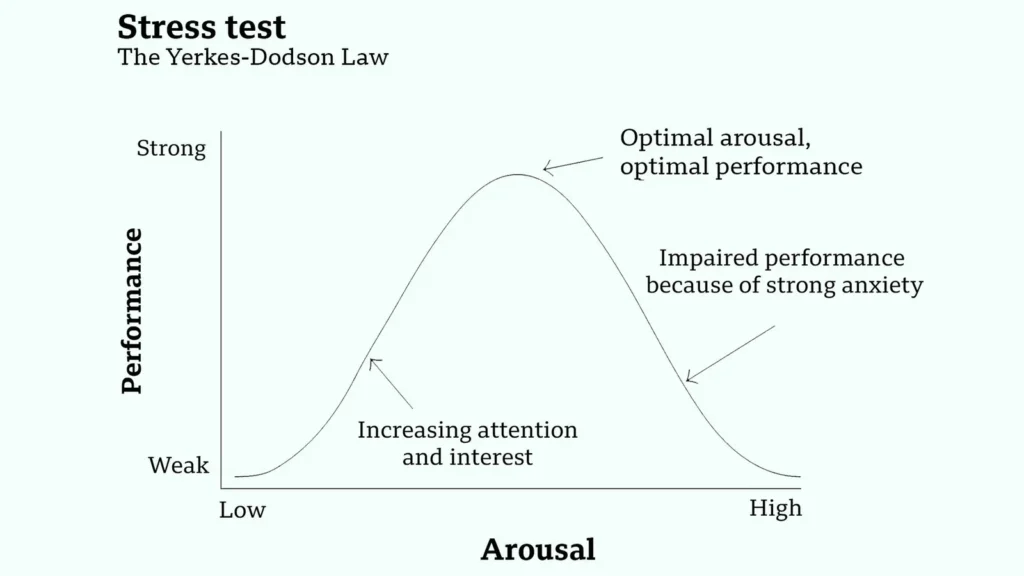
Exhibit 1: It is vital to find the balance between stress as a motivator and stress as a source of burnout is the key to harnessing our performance potential (Credit: BBC)
Three ways to deal with stress:
- Change your perspective. Instead of getting upset with negativity, try to understand and label your emotions and view them positively.
- Build positivity. Counteract negativity with positive actions. Smile and always start conversations on a positive note.
- Prepare mentally. Before entering stressful situations, remind yourself of two or three things you are grateful for to create a shield against stress.
By adopting these strategies, you can manage and even utilise stress to your advantage.
Explore more
Short Courses
Business Management and Foundation Programme
Extended Project Qualification


